

Jacques Marchais Museum of Tibetan Art
A SANCTUARY IN THE CITY
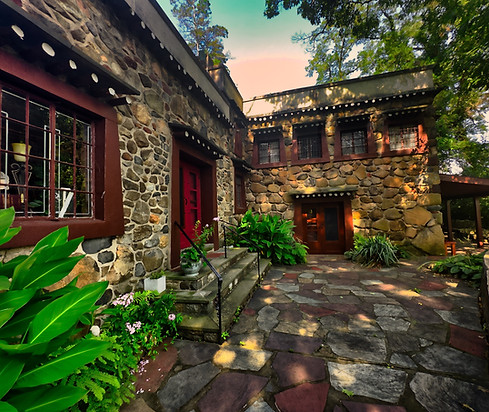
Situated on a hilltop with commanding views of the Raritan Bay, the Jacques Marchais Museum of Tibetan Art is an uncommon find. The buildings were designed by the founder to replicate a Tibetan Buddhist mountain monastery, in particular, the Potala at Lhasa, the historic seat of the Dalai Lamas.
Widely acknowledged to be one of the most important collections of its kind in the West, the collection consists of several thousand pieces of art primarily from Tibet, Mongolia and northern China dating from the fifteenth century.
In addition, JMMTA offers a wide array of programs including classes in yoga, tai chi, and guided meditation, retreats, lectures, student workshops, cultural events and other special events throughout the year.
Please check our calendar for opportunities to join us in learning.
Our Mission
The mission of Jacques Marchais Museum of Tibetan Art is to preserve its unique collection of rare and sacred artifacts, provide careful stewardship of its historic buildings and gardens, and present the art, culture and history of Tibet to a world audience, educating and inspiring appreciation of Himalayan cultures and fostering better global understanding.
Our Vision
Our vision is to be a living museum, with and without walls, promoting diversity and inclusion, welcoming visitors to our unique and historic hillside site, and bringing the Museum into the community in person and online. As we share the unique culture of Tibet, we strive to make connections between past and present, between Tibet and other cultural heritages, to foster awareness, insight, and appreciation of the commonality of our shared humanity.
